

Scientific evidence suggests that regular reading doesn’t just entertain or inform—it can actually make you smarter by enhancing various forms of intelligence. The more you read, the richer your mental framework becomes, making it easier to absorb, retain, and apply future knowledge. This isn’t just metaphorical—it’s supported by cognitive science, where prior knowledge acts as a scaffold for new learning, improving comprehension, vocabulary, pattern recognition, and even problem-solving.
Backed by longitudinal studies and cognitive research, this timeless habit doesn’t just inform—it transforms, boosting both crystallized and fluid intelligence while helping preserve mental sharpness over a lifetime.
Intelligence isn’t a single, fixed trait. Psychologists often divide it into crystallized intelligence(accumulated knowledge, vocabulary, and skills) and fluid intelligence (ability to solve novel problems, reason abstractly, and adapt). There’s also emotional intelligence (understanding and managing emotions). Reading impacts all three.
Building Crystallized Intelligence: Knowledge and Vocabulary
Reading exposes you to new words, facts, and ideas, directly expanding crystallized intelligence. Frequent readers build larger vocabularies and deeper world knowledge, which show up on IQ tests (many include vocabulary sections as proxies for intelligence).
- A classic review by researchers like Keith Stanovich concluded that “those who read a lot will enhance their verbal intelligence; that is, reading will make them smarter.”
- Longitudinal studies show early reading habits predict higher verbal IQ later in life.
Tip: Mix non-fiction for facts and complex fiction for nuanced language.
Enhancing Fluid Intelligence: Problem-Solving and Reasoning
While fluid intelligence is more innate and peaks early, reading can indirectly boost it. Engaging with plots, inferring motives, and connecting ideas strengthens neural pathways for pattern recognition and logical thinking.
- A landmark 2014 twin study (ages 7–16) found that better reading skills led to improvements in both verbal and nonverbal IQ, even controlling for genetics. The researchers concluded reading practice causally enhances general cognitive abilities.
- Meta-analyses link fluid intelligence moderately to reading comprehension (r ≈ 0.38–0.41), with bidirectional effects: better reasoning aids reading, and reading sharpens reasoning.
Complex narratives force your brain to juggle multiple threads, similar to fluid intelligence tasks.
Boosting Emotional Intelligence: Empathy and Social Understanding
Fiction, especially literary works, lets you “live” in others’ minds, fostering empathy—a key part of emotional intelligence.
- Studies show avid fiction readers better recognize others’ emotions and perspectives.
- This translates to real-world benefits: improved relationships and social navigation.
How to Maximize the Brain Boost
- Aim for variety: Fiction for empathy and fluid skills, non-fiction for crystallized knowledge.
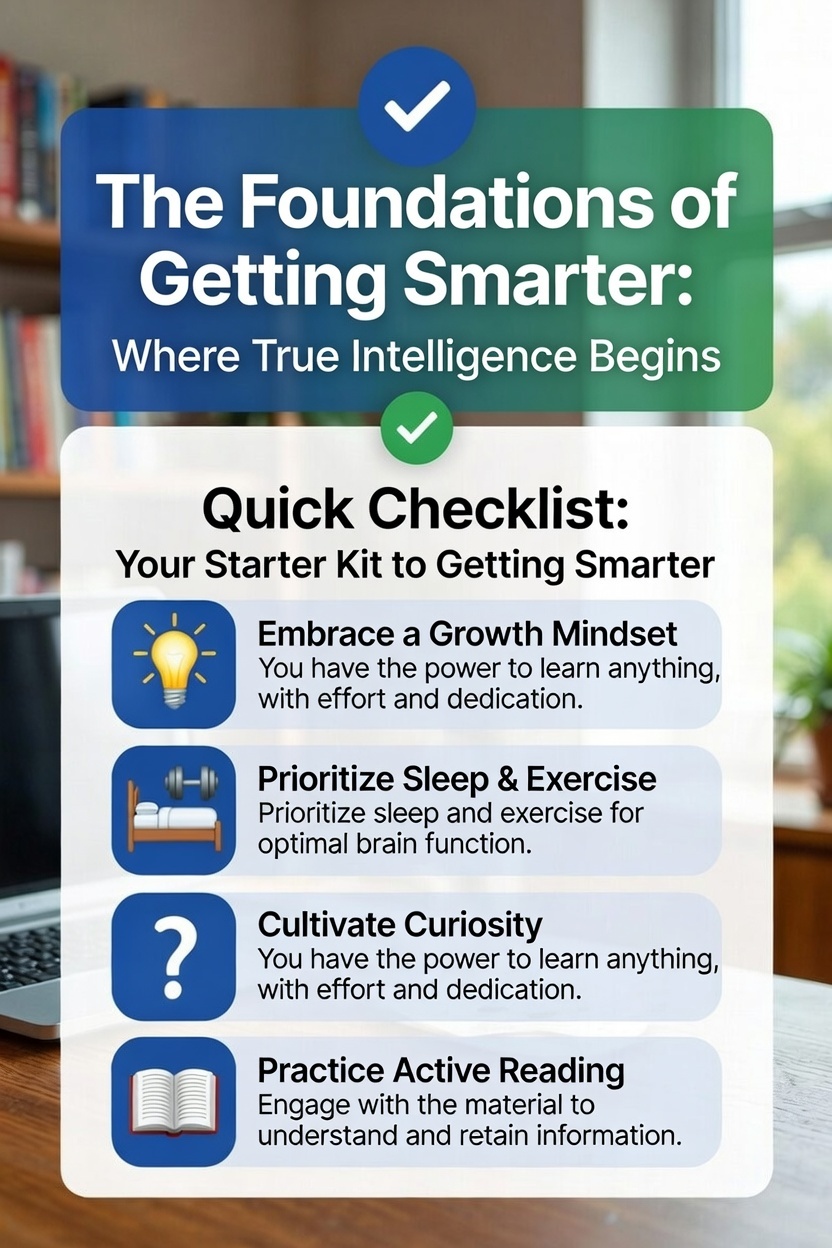
- Read actively: Question, summarize, and discuss what you read.
- Make it habitual: Even 30 minutes daily compounds over time.
- Combine with other habits: Exercise, sleep, and challenging puzzles amplify gains.
While reading won’t turn an average IQ into genius overnight, evidence from twin studies, longitudinal research, and meta-analyses substantiates that it meaningfully enhances cognitive abilities. In short: Yes, reading can boost your IQ and make you smarter—pick up a book today!













0 Comments