

Master Planning and Prioritization
The foundation of productivity lies in clear planning. Start by organizing your day the night before to hit the ground running.
- Plan Your Day Ahead: End your evening by outlining tomorrow’s tasks. This reduces decision fatigue and sets a clear direction. Experts recommend listing just three most important tasks (MITs) to focus on high-impact activities without overwhelming yourself.
- Use Time-Blocking: Schedule dedicated blocks for deep work, like 90-120 minutes of uninterrupted focus on cognitively demanding tasks. Tools like the Eisenhower Matrix can help prioritize by urgency and importance, ensuring you tackle what matters most.
Shorten Your To-Do List: Avoid endless lists that lead to procrastination. Limit it to 5-7 items daily, focusing on progress over perfection.
Minimize Distractions and Optimize Your Environment
Distractions like social media and meetings are top productivity killers in 2026—fight back by designing a focused workspace.
- Design a Distraction-Free Environment: Curate your surroundings to eliminate interruptions, such as placing your phone in another room or using noise-cancelling headphones. Turn off non-essential notifications and use apps like Forest or Cold Turkey to block distracting sites during work blocks.
- Combat Meeting Fatigue: Limit meetings to essentials and conduct quick daily standups (10-15 minutes) to align teams and spot roadblocks early. Go offline periodically to recharge and think deeply.
- Apply the Two-Minute Rule: If a task takes less than two minutes, do it immediately to clear mental clutter and build momentum.
Incorporate Routines and Automation
Routines build consistency, while automation frees up mental energy for creative work.
- Build Pre-Work Rituals: Before diving into deep work, create a transition routine—like a short walk, making tea, or desk clearing—to signal your brain it’s time to focus. At day’s end, use a shutdown ritual: Review accomplishments, plan tomorrow, and declare “done” to disconnect fully.
- Automate Repetitive Tasks: Use tools like IFTTT for smart notifications, habit-tracking, or even linking routines to savings apps. Integrate AI for task management to streamline workflows in 2026’s tech-driven landscape.
Leverage Pomodoro Technique: Work in 25-minute sprints followed by 5-minute breaks to maintain focus and prevent burnout.
Prioritize Rest, Recovery, and Reflection
Productivity thrives on balance—overworking leads to diminishing returns.
- Strategic Rest and Breaks: Schedule “off” time and power naps; celebrate small wins to sustain motivation. Ensure adequate sleep and personal time first to fuel your energy.
- Track Progress Regularly: Review your week to adjust habits, using journals or apps to acknowledge growth and stay flexible.
- Pace Yourself: Avoid sprinting into goals; conduct time audits to identify leaks and build sustainable habits.
Conclusion: Start Small and Build Momentum
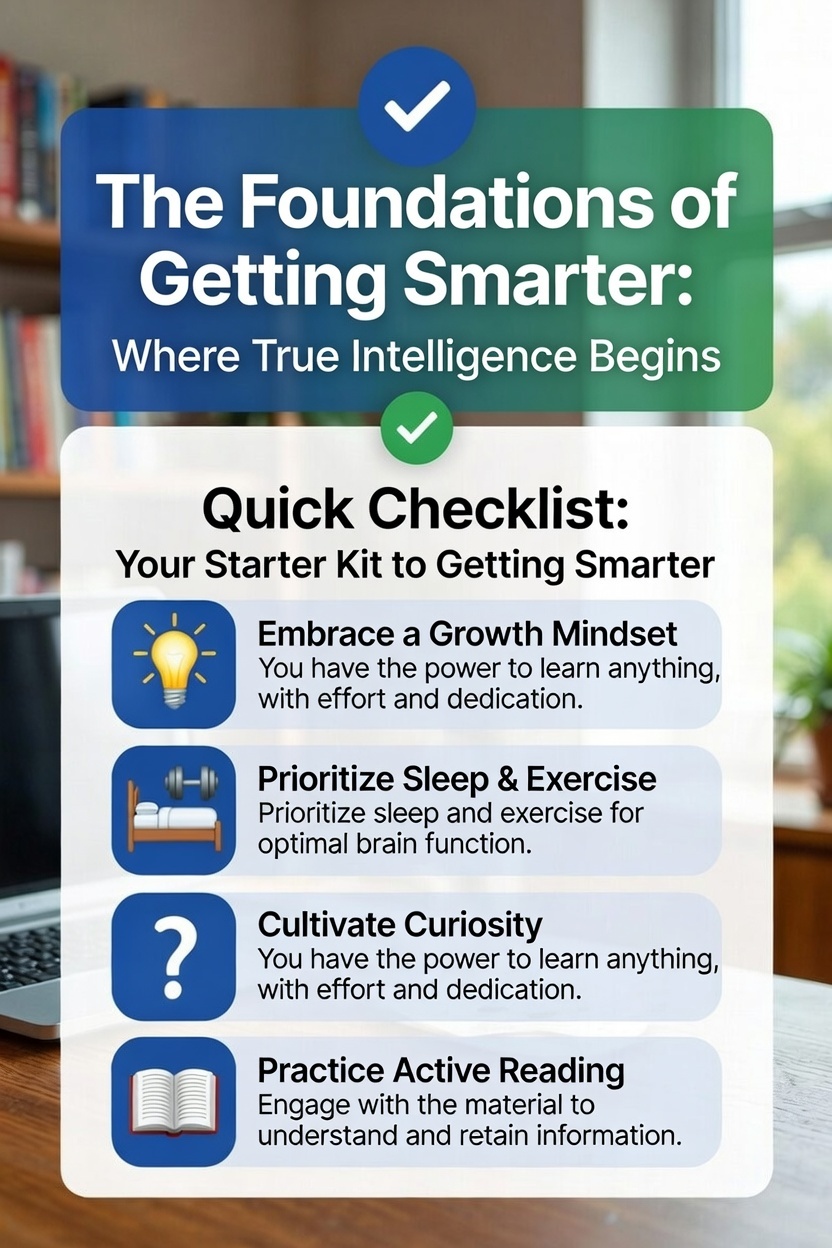
Becoming more productive in 2026 is about adopting habits that align with your lifestyle, not overhauling everything at once. Pick 2-3 strategies from this list—like time-blocking or a pre-work ritual—and implement them consistently. Over time, you’ll notice sharper focus, less stress, and greater achievements. Remember, productivity is a skill you can sharpen daily—much like making yourself smarter one step at a time.











0 Comments