
While geniuses throughout history had wildly varied routines—some eccentric, others disciplined—several patterns emerge from their daily lives that contributed to their productivity and creativity. Based on accounts of figures like Albert Einstein, Leonardo da Vinci, Beethoven, and others, here are some of the healthy daily habits they shared. We’ve organized them into key categories for clarity, with real examples to illustrate.
Adequate Sleep (7-9 Hours Nightly, Plus Naps for Some)
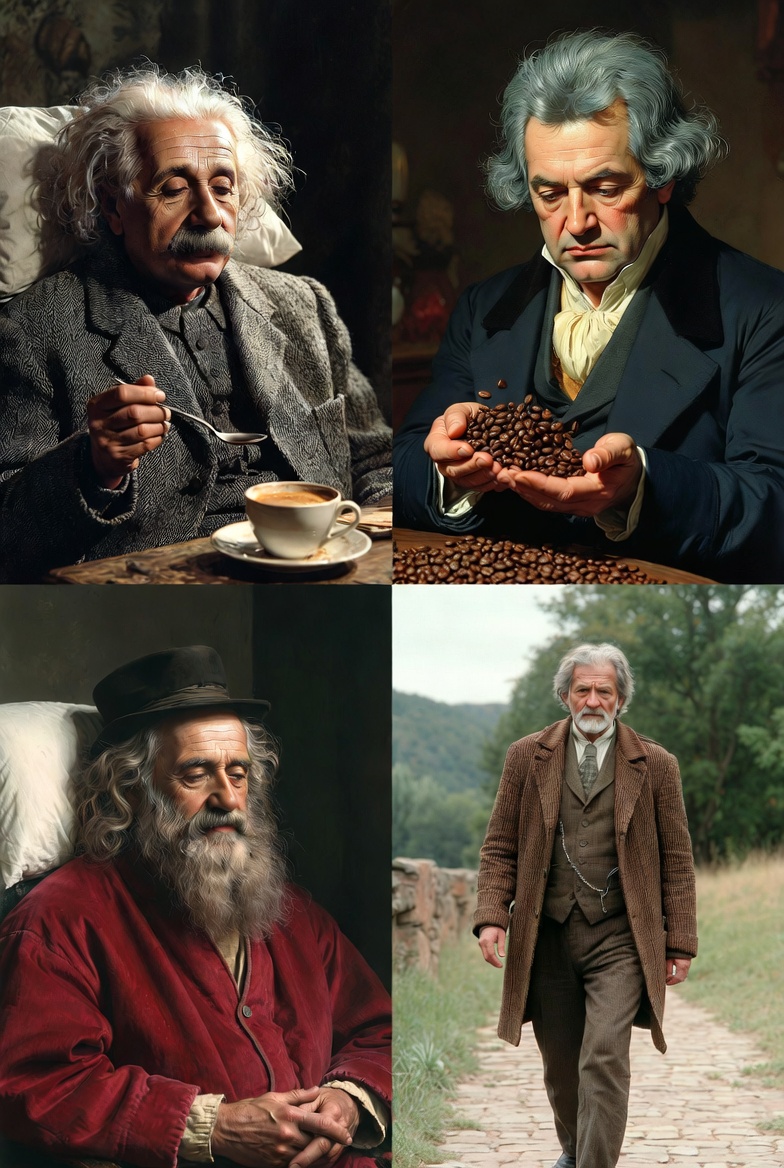
Most geniuses prioritized rest to fuel their minds, often getting 7-9 hours of sleep per night. This allowed for mental consolidation and peak performance during waking hours. Einstein, for instance, slept at least 10 hours nightly and took regular naps, even using a quirky method: He’d doze in a chair holding a spoon over a metal plate, waking when it dropped to avoid oversleeping too long. Beethoven rose at dawn after solid sleep, starting his day with precisely 60 coffee beans for his brew. Da Vinci experimented with polyphasic sleep, napping in short bursts every few hours to maximize wakefulness, though this was unusual even among peers.
Focused Work Blocks (Often 3-4 Hours in the Morning)
Geniuses carved out dedicated, distraction-free time for deep work, typically in the morning when energy was highest, limiting it to 3-4 hours to avoid burnout. W.H. Auden worked sharply from 7:00 to 11:30 a.m. after coffee. Ingmar Bergman wrote from 9:00 a.m. to noon daily for decades. Mark Twain followed a strict routine, working until midday, then breaking. They often stopped while “on a roll” to maintain momentum for the next day.
Daily Walks or Exercise
Physical movement, especially walks in nature, was a staple for clearing the mind and sparking ideas. Einstein emulated Charles Darwin with multiple 45-minute walks daily. Tchaikovsky, Nathaniel Hawthorne, and Georgia O’Keeffe incorporated long walks into their schedules. Haruki Murakami runs or swims alongside his writing routine for endurance. Henry David Thoreau built walks into his day for observation and reflection.
Consistent Routines and Minimal Distractions
Routines provided structure, with many tracking progress and separating “important work” from busywork. Benjamin Franklin planned his day meticulously, rising early for self-reflection and ending with examination. Maya Angelou rented a hotel room solely for writing to eliminate interruptions. Limited social lives helped maintain focus—many relaxed only in evenings.
Other Quirky Habits
Some had unique rituals: Salvador Dalí started his day affirming his genius. Patricia Highsmith wrote for 3-4 hours mornings. Overall, consistency trumped inspiration.
To make yourself smarter, try incorporating one or two—like a morning walk or focused work session—into your routine and build from there.













0 Comments