
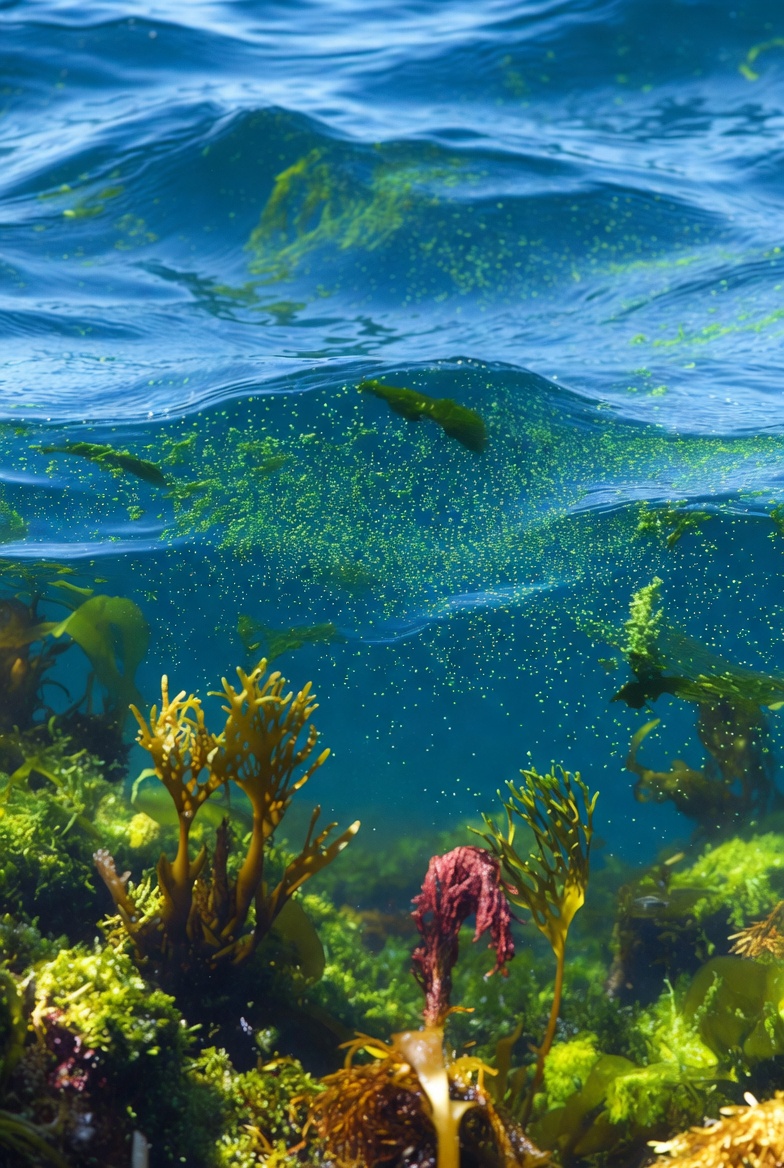
Every breath you take is a gift from nature, but did you know that a significant portion of it originates not from lush forests, but from the vast, blue expanse of the ocean? As we explore ways to make ourselves smarter about our planet, understanding the ocean’s role in oxygen production reveals its critical importance to life on Earth. In this article, we’ll dive into the science behind how much oxygen the ocean provides, the tiny heroes responsible, and why protecting our seas is essential for our future.
The Ocean’s Share in Global Oxygen Production
Scientists estimate that roughly 50% to 80% of the oxygen produced on Earth comes from the ocean. More specifically, reliable sources like the National Oceanic and Atmospheric Administration (NOAA) and the Woods Hole Oceanographic Institution (WHOI) pinpoint it at about half or more than half of the planet’s annual oxygen output. This means that for every two breaths you take, at least one could be courtesy of marine life.
To put it in perspective, the United Nations highlights that the ocean generates around 50% of the oxygen we need, while also acting as a massive carbon sink by absorbing 30% of CO2 emissions. However, it’s important to note a key distinction: While the ocean currently produces this substantial amount, the oxygen in our atmosphere has accumulated over billions of years from both land and sea sources. The current production helps maintain levels, but historical buildup is what sustains us long-term.
The Tiny Powerhouses: Phytoplankton and Marine Photosynthesizers
The ocean’s oxygen isn’t conjured from the depths—it’s primarily produced through photosynthesis in the upper layers of the sea, where sunlight penetrates about 200 meters (656 feet). The stars of this process are oceanic plankton, including phytoplankton—microscopic algae, plants, and bacteria that drift with the currents.
One standout species is Prochlorococcus, the smallest photosynthetic organism on Earth, which alone accounts for up to 20% of the biosphere’s oxygen. That’s more than all the tropical rainforests combined! These tiny beings, along with other phytoplankton, form the base of the marine food web and are responsible for the bulk of oceanic oxygen production. Other contributors include seaweed, kelp, and algal plankton, which convert sunlight, water, and CO2 into oxygen and organic matter.
Interestingly, while the ocean produces this oxygen, marine life also consumes a similar amount, creating a balanced cycle. This equilibrium underscores the ocean’s role as both a producer and regulator of global oxygen levels.
Comparing Ocean and Land Contributions
You might think of trees and forests as the primary oxygen sources, but the ocean often outshines them. Estimates suggest that phytoplankton produce over 50% of Earth’s oxygen, surpassing terrestrial plants. For instance, while rainforests are vital, the ocean’s output is estimated at 50-70% in some analyses, making it the planet’s true “lungs.”
This marine dominance has ancient roots. Oxygen production in the ocean began billions of years ago with cyanobacteria, long before land plants evolved. Today, this legacy continues, with the ocean’s vast surface area—covering 71% of Earth—providing an ideal canvas for photosynthesis.
Why It Matters: Threats and the Path Forward
The ocean’s oxygen production isn’t just a fascinating fact; it’s crucial for combating climate change. It absorbs excess heat and CO2, buffering us from worse impacts. However, threats like ocean warming, acidification, and pollution are causing oxygen levels to decline in some areas, leading to “dead zones” where marine life struggles.
Recent research from Scripps Institution of Oceanography uncovered a new cellular process in phytoplankton that could account for 7-25% of oceanic oxygen production, potentially up to 12% globally. This discovery highlights how much we still have to learn—and protect.
To make ourselves smarter stewards of the planet, actions like reducing plastic pollution, supporting sustainable fishing, and advocating for marine protected areas can help preserve this vital resource. Organizations like the Pacific Community emphasize that 50-80% of oxygen comes from the ocean, urging global efforts to safeguard it.
Breathing Easier with Ocean Knowledge
In summary, the ocean supplies about half to over 70% of Earth’s oxygen, thanks largely to the unsung heroes of phytoplankton. This not only sustains life but also reminds us of our interconnectedness with the seas. By learning these facts, we empower ourselves to act—whether through personal choices or broader advocacy. Next time you take a deep breath, thank the ocean, and consider how you can contribute to its health.














0 Comments