
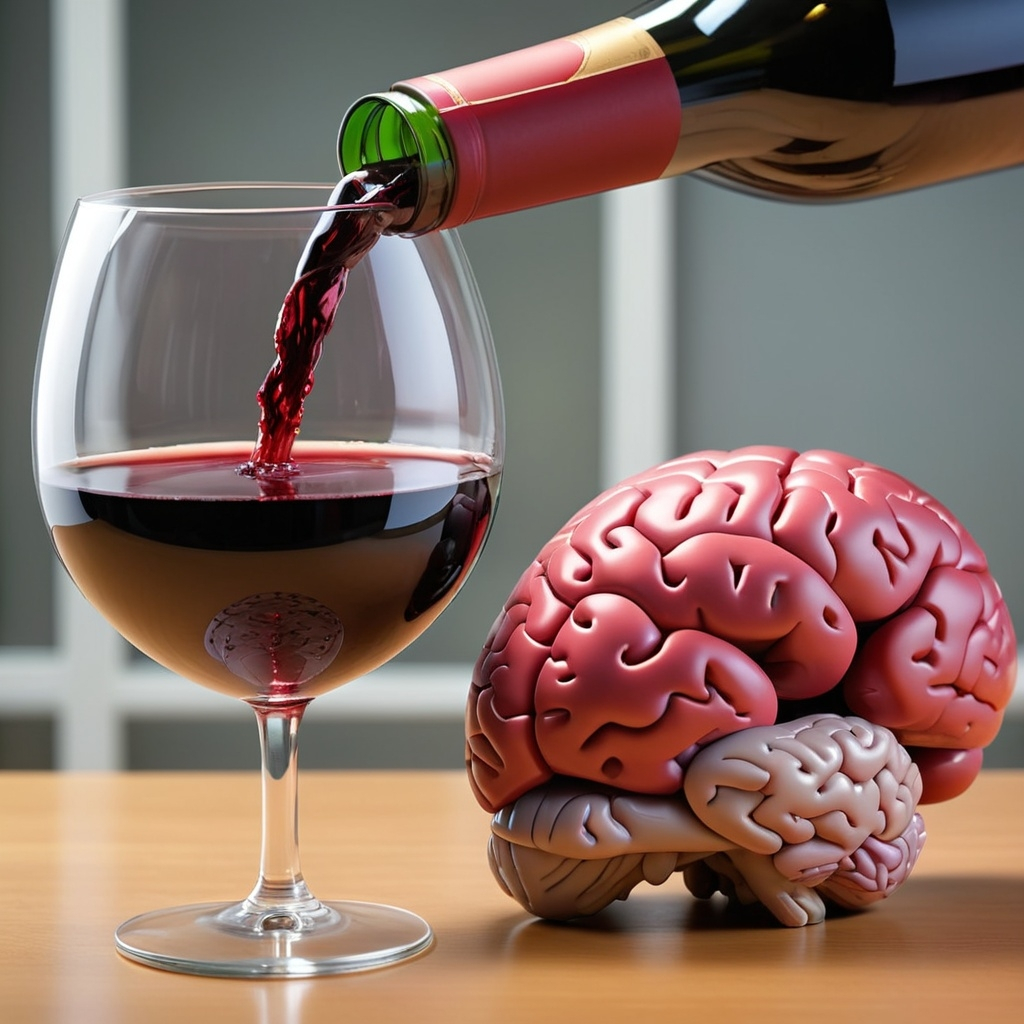
These compounds act as antioxidants, reducing inflammation and oxidative stress, while moderate alcohol may improve blood flow and the brain’s waste-clearance system (glymphatic function).But does 1–2 glasses daily truly enhance memory or cognition? Evidence is mixed: observational studies often show associations with reduced cognitive decline, but recent analyses question causality, highlighting risks even at moderate levels.
Brain Benefits
Red wine’s polyphenols, especially resveratrol, show promise in lab and animal studies: they reduce amyloid plaques (linked to Alzheimer’s), combat neuroinflammation, support neuronal survival and also fight oxidative stress and inflammation.
At lower doses (1 glass or two glasses,) red wine is shown to improve the brain’s ability to clear waste products, according to a University of Rochester Medical Center study, potentially lowering dementia risk. Human observational data frequently reveals a J-shaped curve: light-to-moderate drinkers (up to ~14–25g alcohol/day, roughly 1–2 glasses) have lower risks of dementia and cognitive decline than abstainers or heavy drinkers.
- Improved Neuroplasticity: Polyphenols from red wine appear to enhance the brain’s capacity to form new neural connections.
- Better Stress Management: Polyphenol compounds may boost levels of calming neurotransmitters such as GABA and dopamine, supporting improved mood and relaxation, according to Graham + Fisk.
- Reduced Risk of Neurodegenerative Diseases: Research indicates that regular consumption may lower the risk of dementia, Alzheimer’s disease, and Parkinson’s disease.
Key Evidence Supporting Benefits
- A 2022 meta-analysis of longitudinal studies found wine consumption associated with lower cognitive decline risk, potentially protective at low-to-moderate levels.
- Studies suggest red wine outperforms beer or spirits, likely due to polyphenols; moderate wine intake linked to better global cognition and slower progression from mild cognitive impairment (MCI) to dementia.
- In older adults, light-to-moderate intake correlates with reduced dementia risk (up to 50% in some flavonoid-rich drink studies) and better memory/executive function.














0 Comments